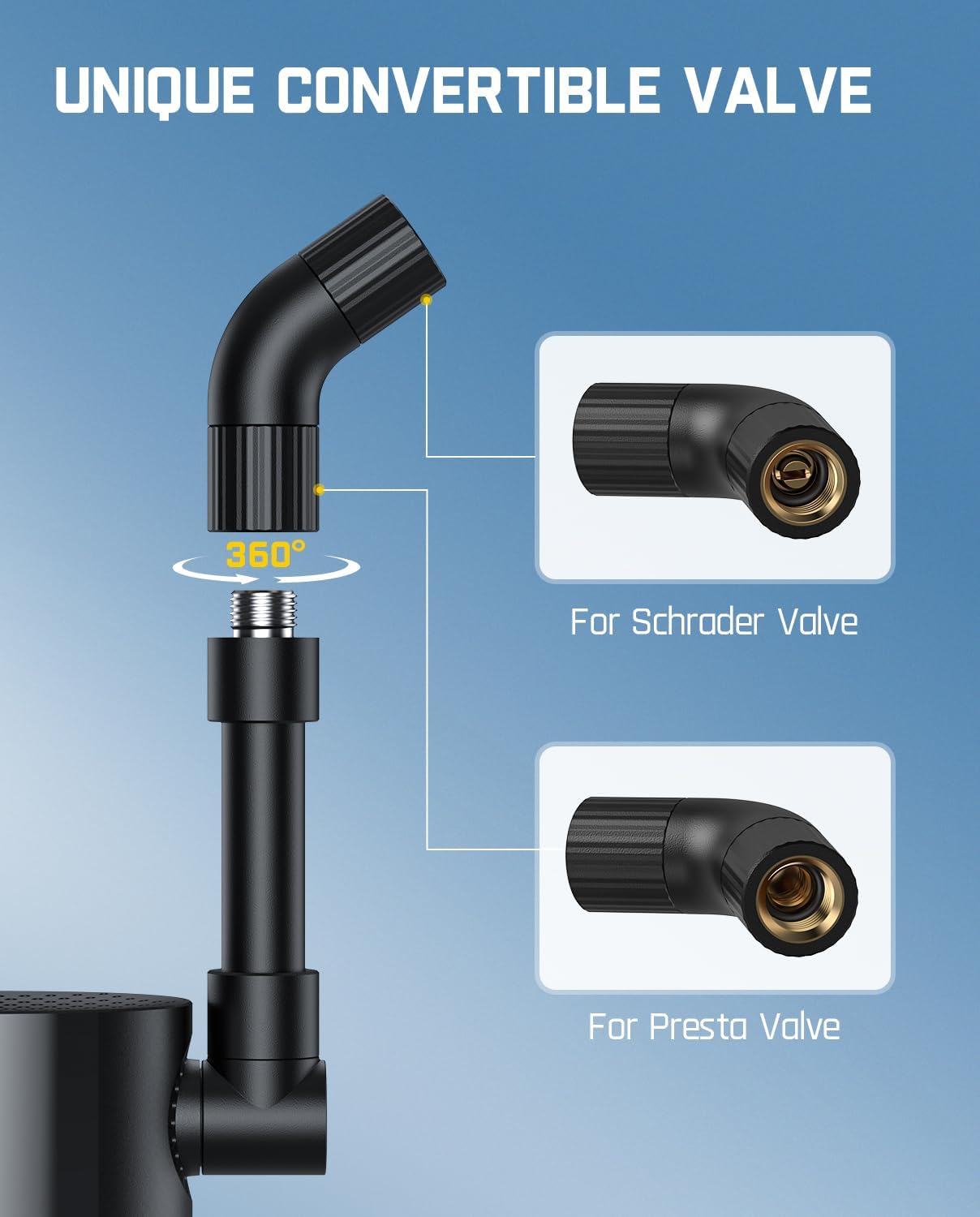
You get a flat three miles from anywhere. You reach into your saddle bag or jersey pocket. What’s in your hand — and does it actually get you rolling again fast enough to matter? That question is the whole game when it comes to choosing between an electric mini pump (a battery-powered, handheld device that inflates your tire automatically) and a CO2 inflator (a small tool that releases a single-use pressurized gas cartridge to fill your tire in seconds). Both fit in a jersey pocket. Both can save a ride. But they make completely different bets about what “reliable” actually means in the field — and the wrong choice for your setup can leave you stranded even when the tool is right there in your hand. This guide names the trade-offs explicitly, shows the math, and ends with a clear decision rule.
What You’re Actually Comparing
Let’s be precise about the categories before we get into the weeds.
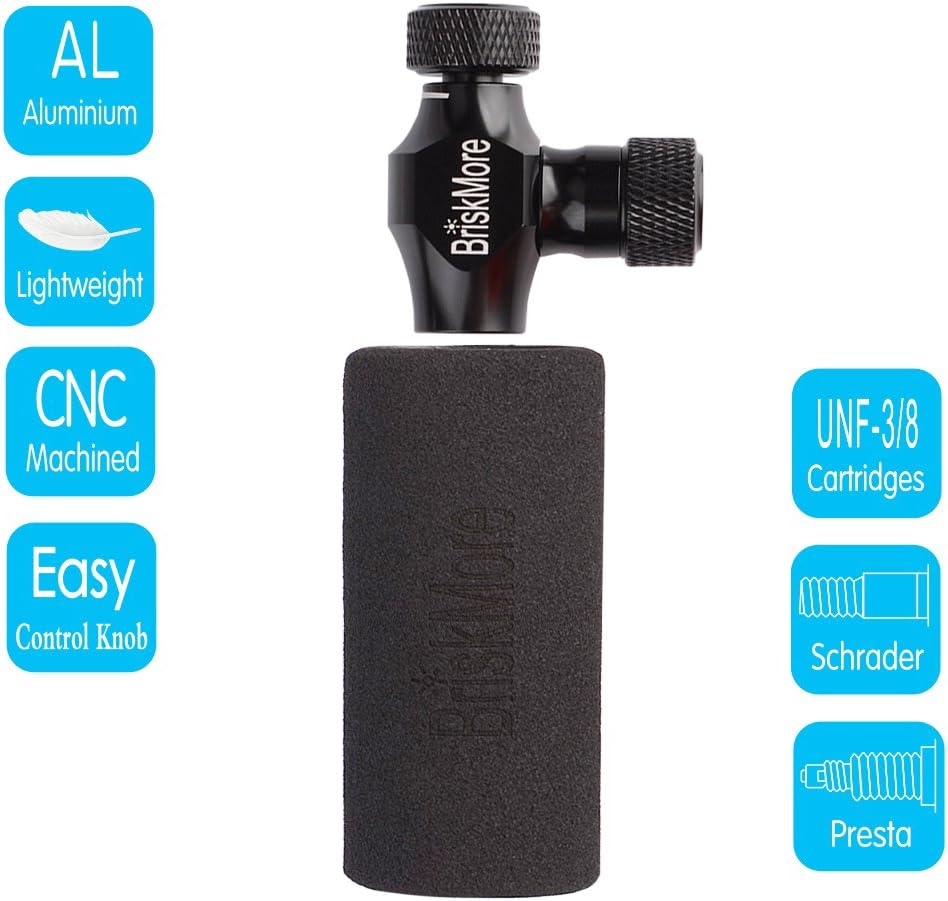
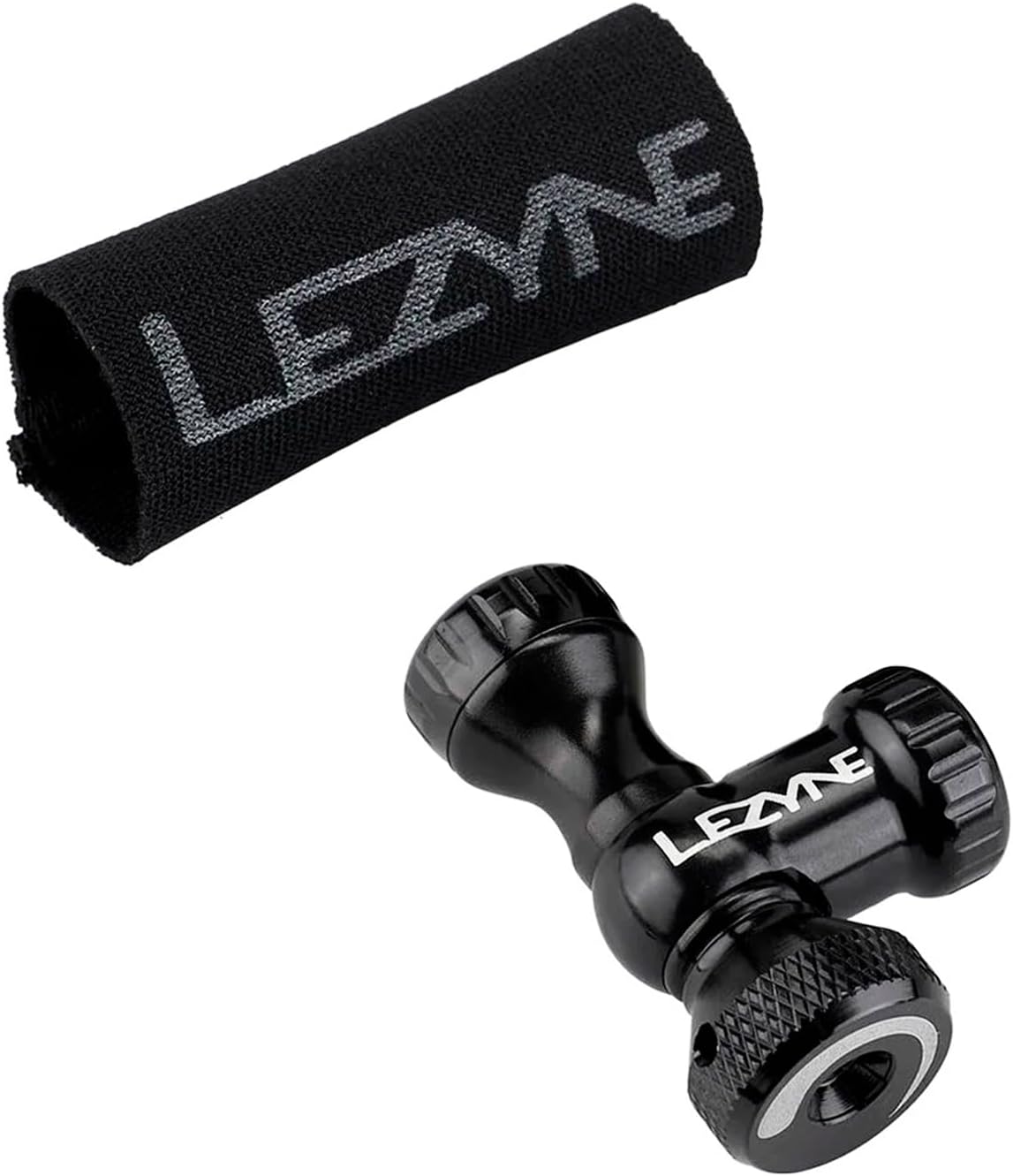
CO2 inflators like the Genuine Innovations Ultraflate Plus or the Lezyne Control Drive CO2 are dead-simple tools: a small threaded or lever-lock head attaches to your valve stem, you thread in a 16g or 25g cartridge, and pressurized carbon dioxide fills the tire in under 10 seconds. They have been a staple of road racing kits for two decades. VeloNews, in their road racing flat kit roundup, consistently cites CO2 as the default choice for road racers and gravel riders who need to minimize stop time during events.
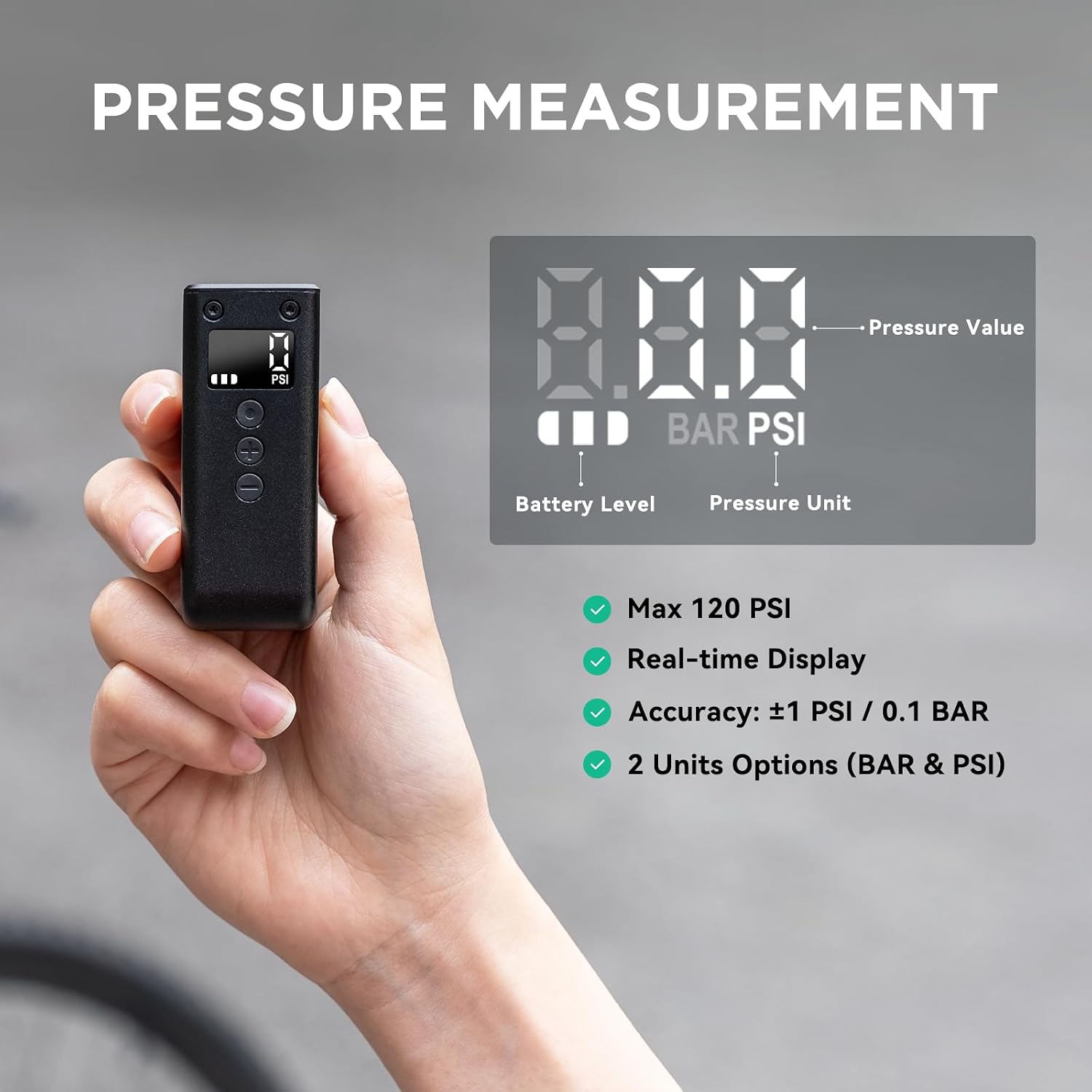
Electric mini pumps — the more recent entrant — use a rechargeable battery (typically USB-C charged) and a small motor to inflate a tire without any consumable cartridge. Products like the Topeak TurboMorph G or the Fumpa miniFumpa have carved out a real following among riders who do not want to carry spare cartridges and do not want to lose inflation confidence mid-ride. Bicycling Magazine, in their 2025 buyer’s guide to the best bike pumps, notes that battery-powered mini pumps have crossed a usability threshold in the last two years, particularly for tubeless setups where precise pressure targeting matters.
These are genuinely different philosophies of reliability — not just different tools — and that distinction is the crux of this comparison.
The Weight and Size Reality Check
This is where the CO2 camp makes its strongest argument.
CO2 Inflators: The Featherweight Option
A thread-on CO2 head such as the Genuine Innovations Superflate weighs roughly 18g. Add two 25g cartridges and the total kit comes in under 75g — a figure that fits easily into a jersey pocket with room to spare. BikeRadar, in their feature comparison of CO2 versus mini pumps, flags this directly: for road racers and weight-conscious gravel riders, CO2 remains the featherweight default precisely because the consumable cartridge does the work rather than a motor and battery.
BriskMore
$13.90
In stock on Amazon
Check price on AmazonElectric Mini Pumps: Real Weight, Real Benefit
Electric mini pumps carry a consistent weight penalty across all current SKUs. The miniFumpa — widely cited as the lightest competitive electric option on the market as of early 2026 — is manufacturer-rated at approximately 155g. That is roughly double a minimal CO2 setup. Outside Online, in their gear guide to the best portable bike pumps, notes that the weight premium is the primary reason competitive road cyclists have been slow to adopt electric options despite their other advantages. Where electric mini pumps earn back ground is in eliminating consumable management entirely: no counting cartridges, no post-ride resupply run.
LEZYNE
$29.99
In stock on Amazon
Check price on AmazonHand Mini Pumps: The Lightweight Hybrid Middle Ground
A compact hand pump such as the Lezyne Pocket Drive sits between the two extremes at roughly 85–110g. It carries no battery dependency and no consumable cost, but it demands significant manual effort to reach road pressures. For mountain bikers running lower tire pressures, the hand pump is a genuine contender. For road riders who need 100 psi or more, the effort required makes it a backup rather than a primary tool. BikeRadar’s feature comparison notes that the hand pump’s strongest case is as a pairing partner — carried alongside a single CO2 cartridge to cover the scenario where the cartridge is misfired or used on a first flat.
CYCPLUS
$109.99
In stock on Amazon
Check price on AmazonSpeed: Where CO2 Still Dominates (With a Caveat)
A 25g CO2 cartridge into a road 700×25c tire, which needs roughly 90–110 psi to be rideable, takes approximately 8–12 seconds from valve attachment to done, based on published product specifications and aggregated owner reports. That is genuinely faster than any motorized or manual alternative.
Electric mini pumps are faster than hand pumps but not faster than CO2. Owners of the miniFumpa consistently report inflation times of 60–90 seconds for a road tire at race pressure and 2–4 minutes for a 29-inch mountain bike tire to trail pressure. For a casual rider or commuter, 90 seconds is nothing. For a rider who has gapped a group and wants back in, 90 seconds is a long time.
Where the speed calculus flips: tubeless tire repair. If you are plugging a tubeless tire using a Dynaplug, a Muc-Off plug tool, or a similar device, you need to re-inflate after the plug seats — and you often want to inflate in stages, check the plug, and top off. CO2 gives you one shot. Electric gives you unlimited, controlled topping off. Pinkbike, in their trail repair kit essentials buyer’s guide for mountain bikers, specifically recommends pairing a tubeless plug kit with either a hand pump or an electric mini pump for exactly this reason: tubeless repair benefits from the ability to re-inflate incrementally rather than committing a full charge to a single inflation attempt.
Reliability: The Question You Should Be Asking Harder
This is where intermediate riders most often get the framing wrong. They think of reliability as “does the tool work when I use it?” But there are actually three distinct failure modes, and each tool has different exposure to each.
CO2 Reliability Risks
Operator error on first use. Reviewers and instructional sources consistently flag that new users often misfire CO2 — releasing gas before the head is properly seated on the valve stem, or threading too fast and losing the charge. There is no second chance on that cartridge. VeloNews’ flat kit roundup recommends practicing the attachment sequence at home before a race or event.
Finite supply. If you use both cartridges on a single ride — two flats, or a botched first inflation — you are done. No backup.
Diffusion and sealant effects. CO2 migrates through butyl rubber faster than air. BikeRadar’s CO2 coverage consistently notes that a CO2-inflated tube may lose several PSI overnight and should be topped off with a floor pump post-ride. For tubeless riders, CO2 can also destabilize some sealant formulas — a detail worth confirming with your sealant manufacturer before race day.
Electric Mini Pump Reliability Risks
Battery state. If the pump is not charged before the ride, it is a paperweight. Owner accounts across aggregated reviews consistently flag “forgot to charge it” as their number-one failure scenario — a problem with no equivalent in the CO2 world.
Mechanical reliability over time. Small motorized devices have more moving parts than a cartridge-and-chuck tool. Long-run owner reports suggest durability is brand-dependent, with premium options showing better longevity than budget entries.
Pressure ceiling. Many current electric mini pumps top out at 100–120 psi, which is adequate for most applications but can fall short for high-pressure road setups running 110 psi or above. Check the manufacturer-rated maximum pressure against your actual tire requirements before committing to an electric option for road use.
Net reliability take: CO2 is more reliable in a single-use race context when you know how to use it and carry two cartridges. Electric is more reliable across the long arc of a riding season for someone who charges devices habitually and does not want to think about consumable inventory.
The Cost-Per-Use Math
CO2 looks affordable at the point of purchase — a decent inflator head runs $15–$35, and 25g cartridges are available in multi-packs for roughly $1.50–$2.50 each. But riders who flat regularly, or who are still developing their CO2 technique and occasionally misfire, accumulate cartridge costs quickly. At $2.50 per 25g cartridge and two cartridges carried per ride, a rider who uses CO2 regularly through a full season is spending real money on consumables.
Electric mini pumps carry a higher upfront cost — entry-level options start around $60, with premium miniFumpa-class devices landing closer to $100–$130 — but zero per-use cost beyond electricity. For a rider who puts in serious miles and flats a few times per season, the electric option can reach break-even within one to two riding seasons depending on how often the tool is actually deployed.
The cost-per-use math favors CO2 for infrequent users and casual riders. It favors electric mini pumps for riders who flat often, run tubeless and do incremental top-offs after plugging, or simply do not want to manage consumable inventory across a long season.
Matching the Tool to the Actual Use Case
Here is the decision frame that matters for each rider type:
If you are racing on the road or in gravel events and every second off the bike counts, CO2 is the correct answer. The weight savings and inflation speed are meaningful competitive advantages. Practice your attachment technique before race day — the cartridge’s value is entirely dependent on clean execution.
If you are a mountain biker running tubeless with plugs in your kit, the smart play is either an electric mini pump or a hand mini pump as your inflation backup, not CO2 as your primary. You need the ability to re-inflate incrementally after plugging, and CO2’s single-shot nature works against you. Pinkbike’s trail repair essentials guide supports this framing directly.
If you are a commuter or urban rider who flats irregularly and wants the simplest possible solution with no battery management, a CO2 inflator with two cartridges in your bag is compact, affordable, and reliable enough for the context.
If you are an adventure cyclist, bikepacker, or overlander on multi-day routes where resupply of CO2 cartridges is not guaranteed, electric is the more resilient choice — provided you have a USB charging source available at camp stops.
If you want the safest hedge: carry a small CO2 head and one cartridge for speed, plus a compact hand pump as a backup. That combination — recommended in both BikeRadar’s inflation feature and Outside Online’s portable pump guide — costs less than $40 total, weighs under 150g combined, and gives you both speed and unlimited inflation capacity in a single kit.
The Bottom Line
Electric mini pumps have crossed from novelty to legitimate tool. They earn their place in mountain bike kits, bikepacking setups, and any context where incremental inflation or cartridge-free operation is a genuine priority. CO2 inflators remain the speed and weight champions for road and gravel racing where every gram and every second counts.
The clean decision rule: If you race, run CO2. If you ride tubeless on dirt and rely on plugs, run electric or a hand pump. If you are somewhere in between, run both — the total kit weight is still under most riders’ acceptable threshold, and the redundancy is worth more than the few grams you save by going single-tool.
Your flat-repair kit is only as good as your ability to use it under pressure. Whatever you choose, practice the inflation sequence at home before you need it on the road.