If you’ve switched your bike tires from inner tubes to a tubeless setup — meaning the tire seals directly against the rim and uses a liquid sealant instead of an inflatable inner tube — you’ve probably already discovered one inconvenient truth: sealant handles most small punctures on its own, but it doesn’t handle all of them. When a piece of flint or a gnarly thorn punches a hole too large for sealant to close on its own, you need a tubeless plug — a small rubber or polymer anchor that you push into the puncture to stop the leak from the outside of the tire, without removing the wheel. That’s the whole product category we’re comparing today.
The market runs from about $8 for a basic plug-strip kit with a T-handle tool to $180+ for the Dynaplug Micro Pro with its machined carbon body and one-handed insertion design. If you’re standing at that fork in the road — reading reviews, comparing prices, deciding whether premium gear justifies premium prices for your actual riding — this guide is your decision framework. We’ll name the tradeoffs, show the math, and end with a clear set of “if X, then Y” rules organized by riding tier.
| EDITOR'S PICK[Dynaplug Tubeless Tire Repair T…](https://www.amazon.com/dp/B09LV1BDMV?tag=greenflower20-20) | Mid-tier[LEZYNE Tubeless Bike Tire Repai…](https://www.amazon.com/dp/B07CVJR7QZ?tag=greenflower20-20) | Budget pick[Muc-Off Puncture Plug Kit - Tub…](https://www.amazon.com/dp/B08257R87S?tag=greenflower20-20) | |
|---|---|---|---|
| Body material | Aluminum | Aluminum | — |
| Made in USA | ✓ | — | — |
| Case included | — | ✓ | — |
| Reamer included | — | ✓ | — |
| Plug count | — | 5+ | — |
| Price | $58.50 | $20.90 | $15.99 |
| See on Amazon → | See on Amazon → | See on Amazon → |
What You’re Actually Paying For at Each Price Tier
Let’s map the landscape before we argue about value.
Budget Tier: Strip Kits ($8–$25)
Muc-Off
$15.99
In stock on Amazon
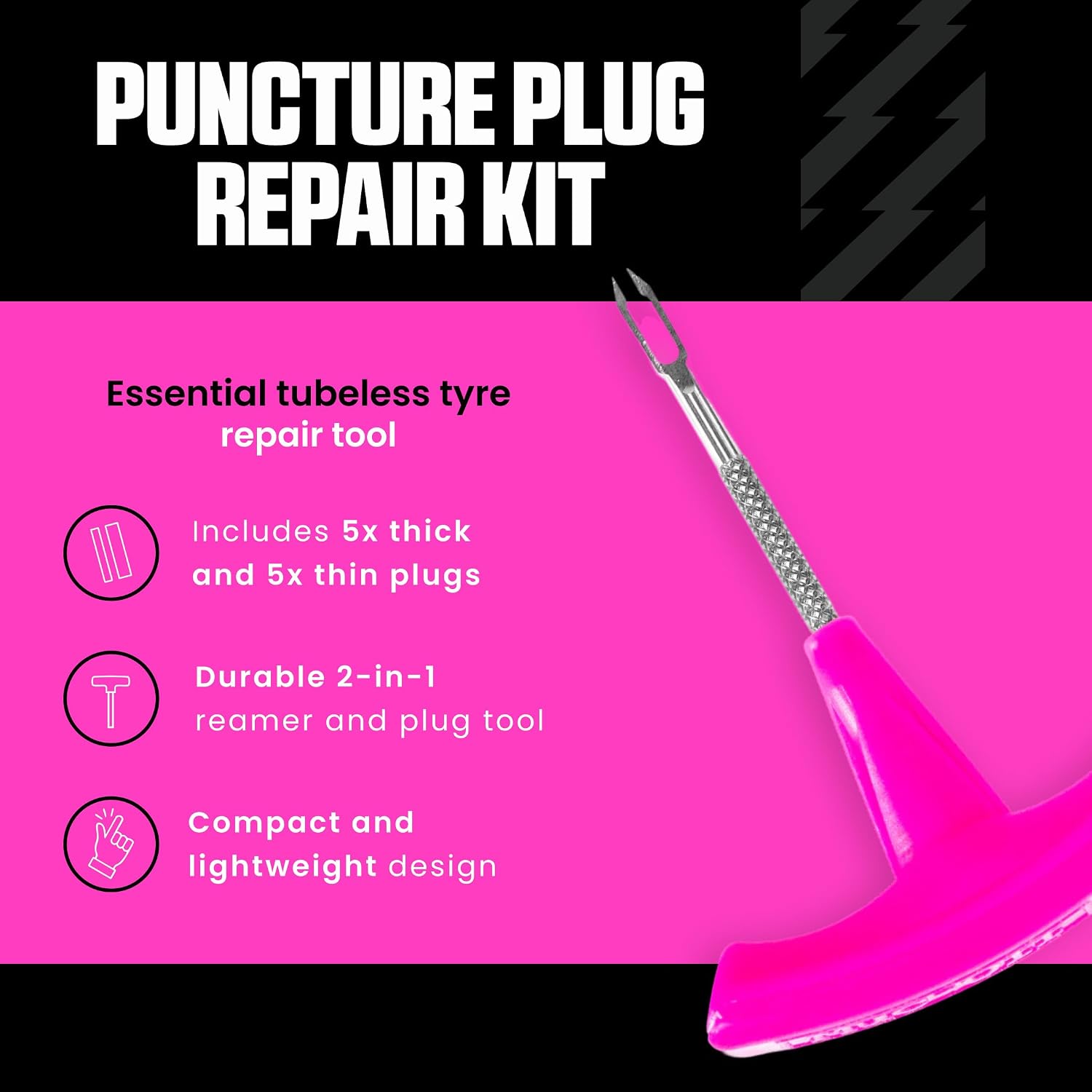
Check price on AmazonThis is the traditional “bacon strip” or plug-strip world. You get a reamer tool to roughen the puncture edges, a needle-style insertion tool, and a pack of rubber plugs. Brands like Genuine Innovations, Lezyne, and Stan’s NoTubes all sell kits in this range. The plugs themselves are functionally similar across brands — vulcanized rubber strips that compress into the hole and expand to seal it.
Bikeradar’s “Best Tubeless Repair Kits” buying guide (updated 2025) notes that plug-strip systems “remain the most widely carried repair option globally” precisely because the per-plug cost is nearly zero once you own the tool. The catch is operator dependency: budget kits punish unfamiliarity. When you’re at the side of a gravel road, sealant dripping, hands cold, your rear tire going flat — that’s not the moment to figure out that your reamer needs two hands, or that your strips are jammed in the dispenser, or that you grabbed the wrong plug diameter.
Budget strip kits earn full marks when:
- You’ve practiced the repair at home and know your specific kit’s quirks
- You’re riding close to home or in a group where a slower repair is acceptable
- You’re replacing inner-tube setups on a commuter or casual-trail bike
- You’re stocking a workshop or support vehicle and need high plug volume at low cost
Outside Online’s 2024 feature “The Case for Going Tubeless” captured this well: “For riders new to tubeless who mostly ride within cell-phone range of help, a basic plug kit and some practice is genuinely sufficient.”
Muc-Off
$15.99
In stock on Amazon
Check price on AmazonMid-Tier: Dedicated Plug Systems ($30–$80)
LEZYNE
$20.90
In stock on Amazon
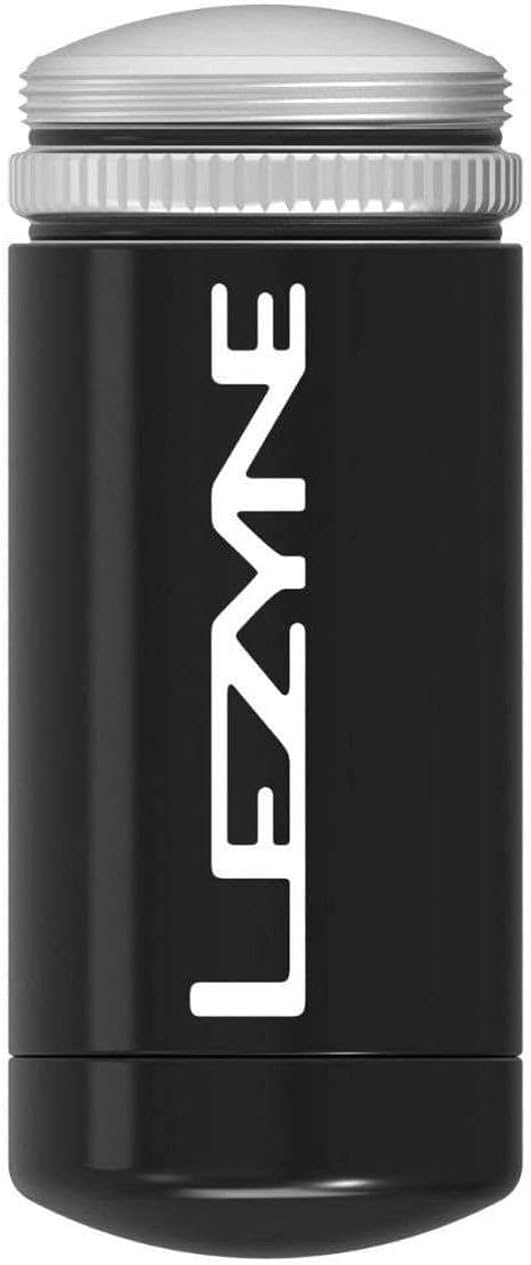
Check price on AmazonHere you start seeing purpose-built tubeless plug systems with integrated tools, mushroom-shaped or T-shaped plugs rather than strip-based designs, and noticeably better ergonomics for gloved or one-handed use. The Muc-Off Stealth Tubeless Puncture Plug Kit, the Lezyne Tubeless Pro kit, and the Dynaplug Pill all land in this zone. Build quality takes a step up — aluminum alloy bodies, cleaner plug seating — but most systems still require a two-step process: seat the plug, then withdraw the tool separately.
Pinkbike’s “Tubeless Plug System Roundup” (2024 reader survey and field notes) found that mid-tier kits bridged the confidence gap for many riders: owners who had fumbled a budget strip repair in the field frequently reported upgrading to this tier before considering the full premium jump. The ergonomics improvements are real, and for most recreational riders doing 3–8 hours a week on accessible routes, the mid-tier represents the best balance of reliability and cost.
Mid-tier kits make sense when:
- You’ve outgrown a budget kit but don’t race or ride truly remote terrain
- You want aluminum construction and better gloved-hand ergonomics without paying for a premium brand name
- You’re running tubeless on a mountain bike with larger-volume tires (2.3”+), where plug precision is more forgiving
LEZYNE
$20.90
In stock on Amazon
Check price on AmazonPremium Tier: Dynaplug Systems ($90–$180+)
Dynaplug
$58.50
In stock on Amazon
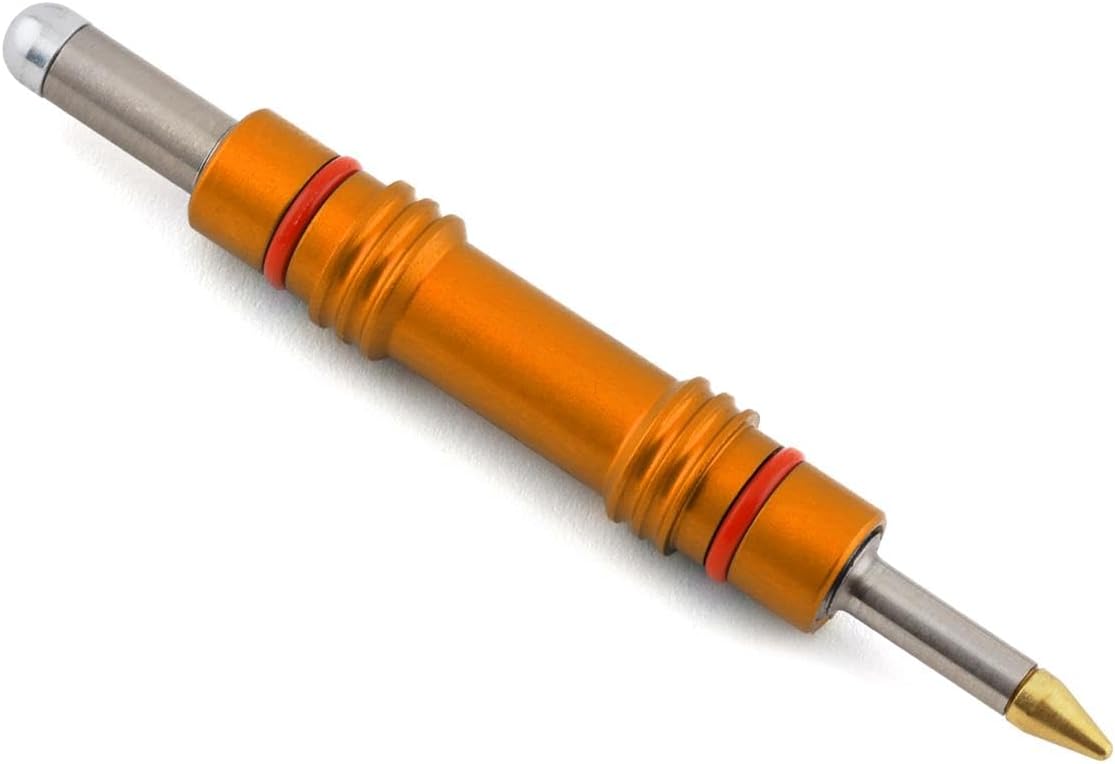
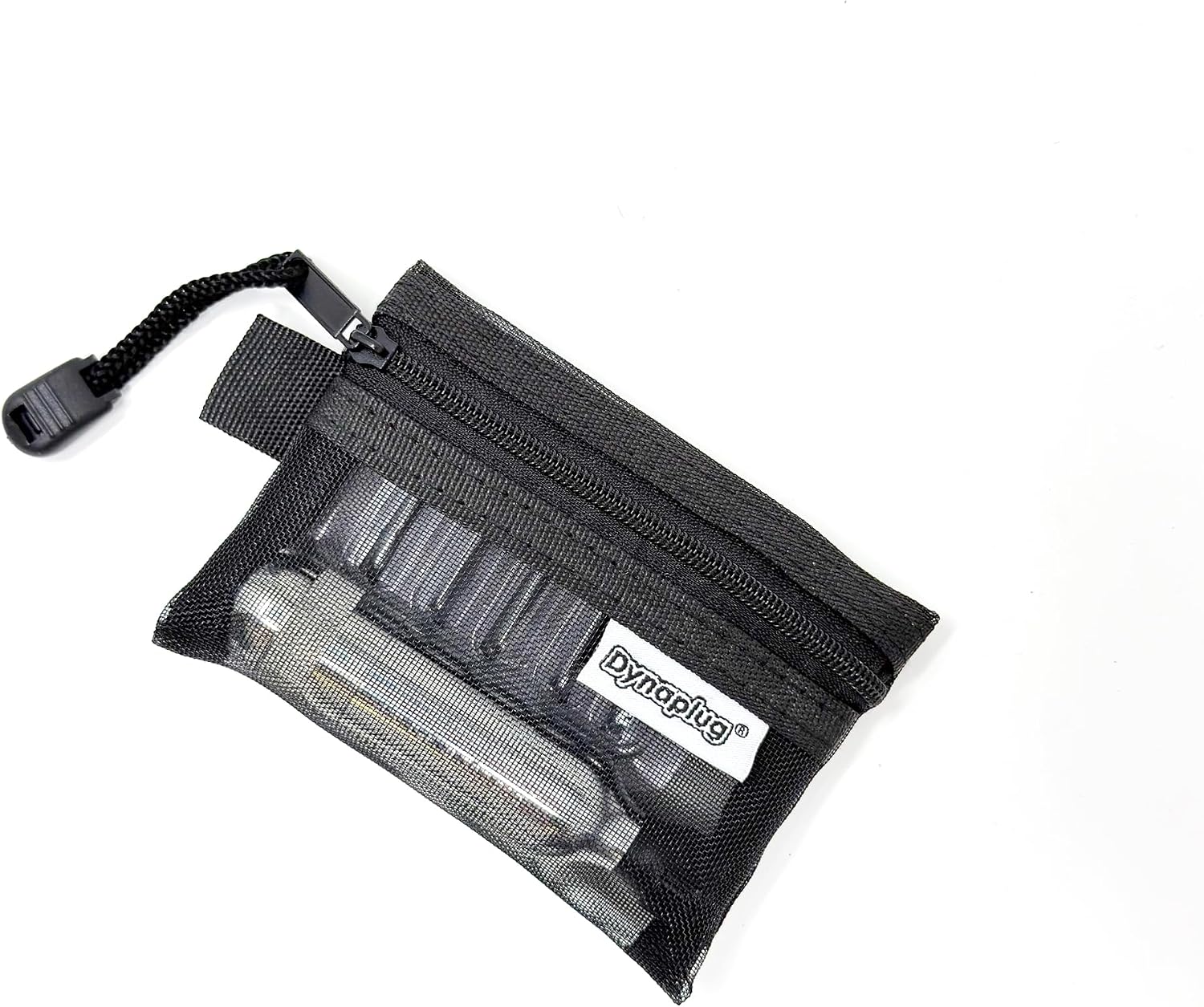
Check price on AmazonDynaplug dominates this tier with the Micro Pro and the Racer Pro. The engineering premise is simple: reduce the repair to one motion under stress, with gloves on, possibly in low light. The bullet-shaped plug is pre-loaded into the tool’s tip. You locate the hole, push the tool in, pull it back out, and the plug stays seated. One motion. Done.
Cycling Weekly’s 2024 review of the Dynaplug Micro Pro describes the one-handed insertion mechanism as “genuinely faster than any strip-plug system in a roadside scenario,” a verdict that appears consistently across editorial coverage at Velonews and Bikeradar. Velonews’ “Roadside Repair Gear for Gravel Racers” buyer’s guide (2025) adds specific context for competitive riders: “At the pointy end of gravel racing, the time difference between a strip-plug repair and a Dynaplug repair isn’t marginal — owners report the Dynaplug process as genuinely half the time once the puncture is located.”
That speed advantage matters in a race context. It also matters on a solo backcountry ride where repair efficiency directly equals safety margin.
The Dynaplug premium is defensible when:
- You race — time loss at a puncture has a direct competitive cost
- You ride solo in remote terrain where repair confidence matters
- You’re running tubeless on a road or gravel bike (narrower tires, higher pressure, smaller puncture window — precision insertion matters more)
- You want a tool that works reliably with one hand and a glove on in any conditions
- Weight and pack size are genuine performance variables for your build
Dynaplug
$58.50
In stock on Amazon
Check price on AmazonThe Comparison at a Glance
| Tier | Typical price | Plugs included | Avg. plug restock cost | Body material |
|---|---|---|---|---|
| Budget strip kits | $8–$18 | 4–10 strips | ~$0.50–$1 per plug | Plastic |
| Mid-tier systems | $30–$60 | 2–5 plugs | ~$3–$6 per plug | Aluminum |
| Dynaplug Micro Pro | ~$90 | 2 plugs | ~$8–$12 per plug | Aluminum / Carbon |
| Dynaplug Racer Pro | ~$140–$180 | 2 plugs | ~$8–$12 per plug | Carbon |
Those restock costs matter more than they appear at first glance. Over a three-year window of frequent riding — say, 15+ hours per week on tubeless tires — a premium kit with restocked plugs might run you roughly $90 (tool) plus $40–$60 (restocks) for a total of $130–$150. A budget kit over the same period might run $15 (tool) plus $20 (restocks) for a total around $35. The gap is real. But the per-repair cost difference narrows considerably when you calculate per incident rather than per season, and it narrows further when you factor in any repair you fumble with an unfamiliar tool and end up finishing with a tube anyway.
Variables Nobody Talks About Enough
Tire diameter and puncture type shift the equation. Larger-volume mountain bike tires (2.3”–2.6”+) are more forgiving of plug variation — you have more casing material to seat a plug into, and sealant helps close the gap. Road and gravel tires at 28mm–40mm widths are less forgiving. Riders on narrower tubeless setups report more consistent results with precision-engineered plugs versus generic strips, which can over-fill or under-fill the puncture channel. If your primary riding is 29er mountain biking, budget kits close the gap on Dynaplug considerably. If you’re a road racer on 28mm tubeless tires, precision matters more and the premium tier earns its keep faster.
Sealant and plug interaction is real but underreported. Some plug systems work better with certain sealants. Thicker formulations like Orange Seal Endurance can help a budget plug seal more reliably by filling voids around a less precise strip. Thinner sealants may need the tighter geometry of a purpose-designed plug to achieve a complete seal. Bikeradar’s “Best Tubeless Repair Kits” buying guide (2025) flags this directly: “The plug-sealant combination should be matched, not treated as interchangeable variables.” If you’re already running a specific sealant brand, check for community notes on compatibility before committing to a plug system.
Restock availability is a practical concern for travel. Dynaplug plugs are proprietary — you cannot substitute generic strips into the tool. If you’re traveling internationally or sourcing gear remotely, that matters. Budget-kit replacement strips are universal enough that a bike shop in almost any cycling market will carry something compatible. For expedition-style or multi-week travel riding, that supply chain reality can outweigh the ergonomic advantages of a premium system.
The Decision Framework: If X, Then Y
After mapping the tradeoffs, here’s the clear decision tree for matching your purchase to your actual riding:
If you race or ride solo in remote terrain → buy the Dynaplug Micro Pro. The one-motion insertion and build quality justify the price. You’re buying speed and confidence, and editorial coverage across Cycling Weekly, Velonews, and Bikeradar consistently supports both claims.
If you’re a committed recreational rider (3–8 hours per week, group or accessible routes) → a mid-tier kit like the Muc-Off Stealth or Lezyne Tubeless Pro gives you 85% of the Dynaplug experience at 40–50% of the price. Practice at home, and you’ll rarely feel underequipped in the field.
If you’re building your first tubeless kit or riding primarily on trails close to help → start with a budget strip kit, learn the process, and upgrade only when you hit a scenario where the kit let you down. There’s no shame in a $12 Genuine Innovations kit. It works. It just asks more of you as the operator.
If weight and pack size are genuine performance variables (weight-optimized road builds, ultradistance gravel packing) → the Dynaplug Micro Pro or Racer Pro Carbon wins on the size-and-weight metric versus carrying a strip kit plus separate reamer plus loose strips. The integrated form factor is measurably smaller and lighter than the sum of a budget kit’s parts.
If you’re outfitting a support vehicle, mechanic station, or club group kit → buy budget strip kits in bulk. The cost-per-plug math is incomparable at scale, and ease-of-use is less critical when a practiced mechanic is handling the repair in a non-time-pressured environment.
The Bottom Line
The Dynaplug isn’t overpriced for what it is — it’s a precision tool engineered for a specific high-stakes use case. But “high-stakes” only applies to a subset of riders. The $10 alternatives aren’t inferior products; they’re different tools that ask more of the operator and deliver the same fundamental result when used correctly.
Buy premium when your riding punishes slowness or uncertainty. Buy budget when practice and cost-control are your primary variables. The tire doesn’t know what brand of plug sealed it — but you will know whether your tool worked when you needed it most.
Prices referenced reflect May 2026 market conditions and are subject to change. Always verify current pricing before purchase.